

Equity continues to support stakeholders across value chains in line with ARRP
Nairobi, 30th April 2026…Stakeholders in the mining sector have been challenged to rethink their business models, shifting from extractive activities to value addition so as to unlock greater economic returns.
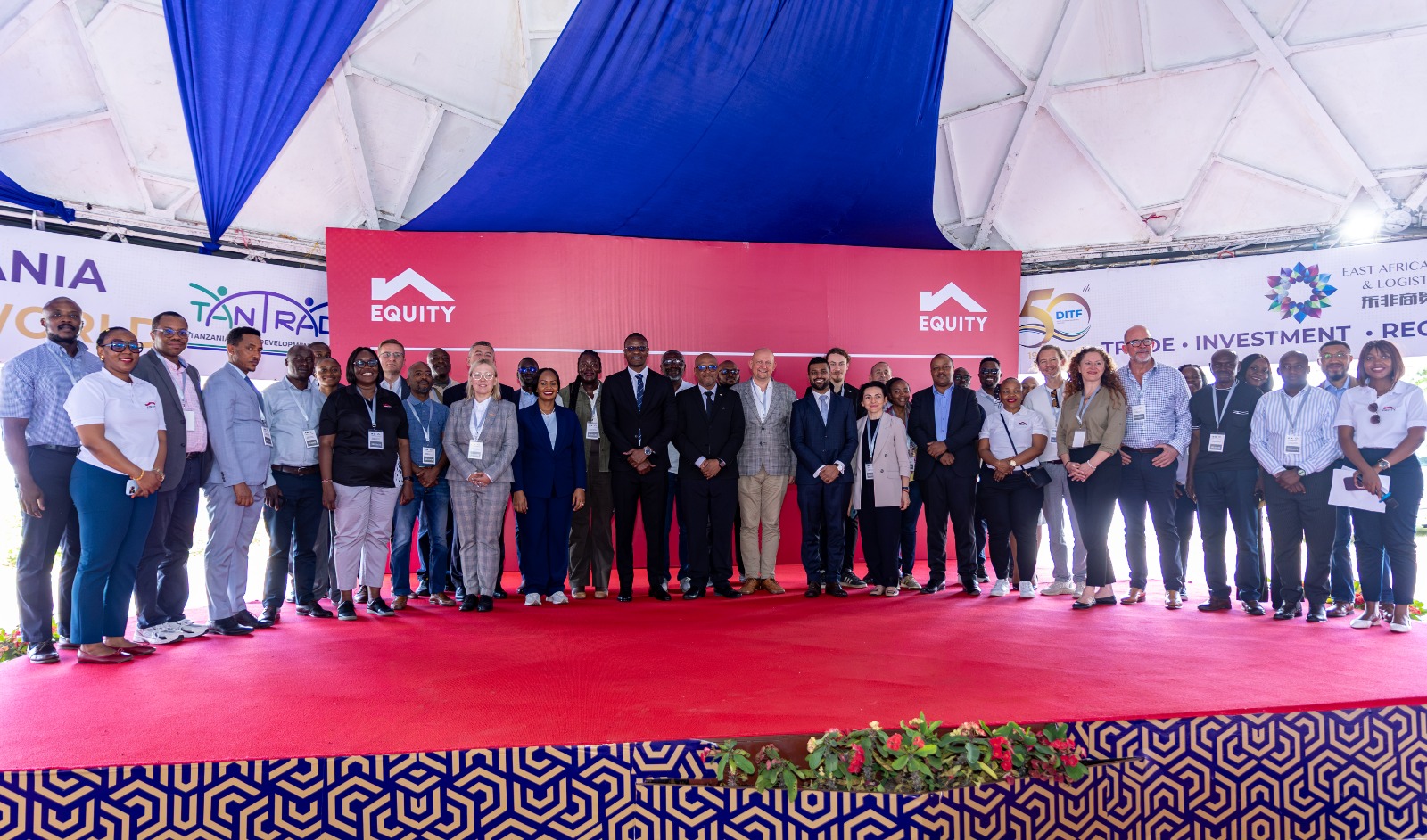
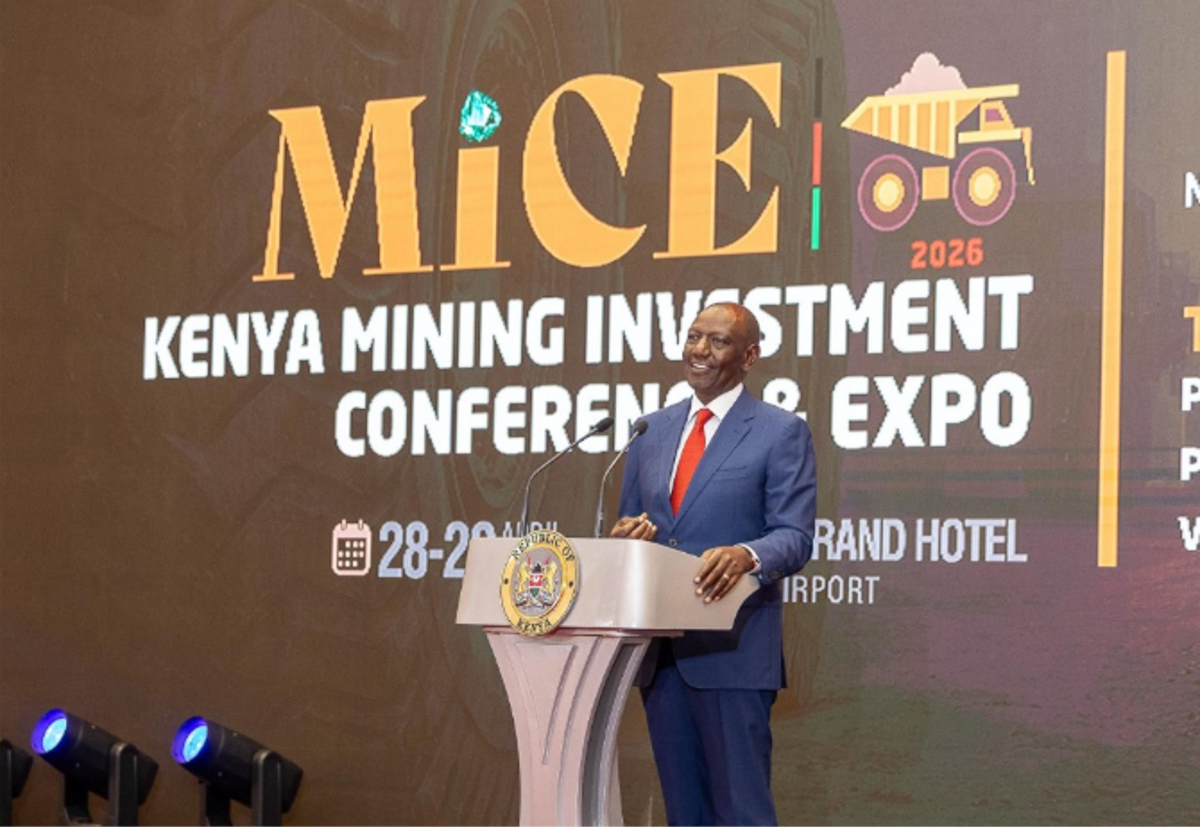
Speaking at the 2026 Mining Investments Conference and Expo (MICE) in Nairobi, where Equity emerged as a key partner in the sector, President William Ruto noted that despite Kenya’s significant mineral endowment, the sector continues to contribute less than one percent to GDP.
“The abundant minerals we have generate wealth and prosperity for others, but Kenya only gets limited benefits. We look forward to processing and refining our minerals in Kenya,” said the President, adding, “We must correct this glaring distortion. Gatherings such as this one must serve as a turning point and bringing us closer to a future in which Africa’s resources work first and foremost for the people of our continent.”
The president’s sentiments during the opening of the two‑day conference align with Equity Bank’s Africa Recovery and Resilience Plan (ARRP), whose first pillar is geared toward driving higher productivity and output in the mining and extractives sector, with a long-term vision of building a self-sufficient continent.
The push for mining positions Equity as a catalyst of sustainable industrialization by mobilizing capital, strengthening regional value chains, driving inclusive growth, and ensuring Africa’s mineral wealth builds resilient economies that work first for its people.
According to the President, a recent geological survey has identified more than 970 mineral occurrences across the country, including gold deposits in Kakamega, Migori, and Marsabit counties.
“Having minerals in the ground is not an achievement; the true measure of success is converting them into tangible prosperity for our citizens. Kenya will no longer be a supplier of raw materials to fuel the industries of others; we will process, refine, and manufacture here in Africa. The time has come to take the next decisive steps forward, unlocking the full economic potential of the mining sector,” he added.
The push for value addition comes at a time of rising global demand for critical minerals. Lithium, cobalt, and nickel are key inputs in electric vehicle batteries, while copper is essential for electrical wiring and components. Titanium, on the other hand, is widely used in aerospace, industrial applications, and high‑performance manufacturing.
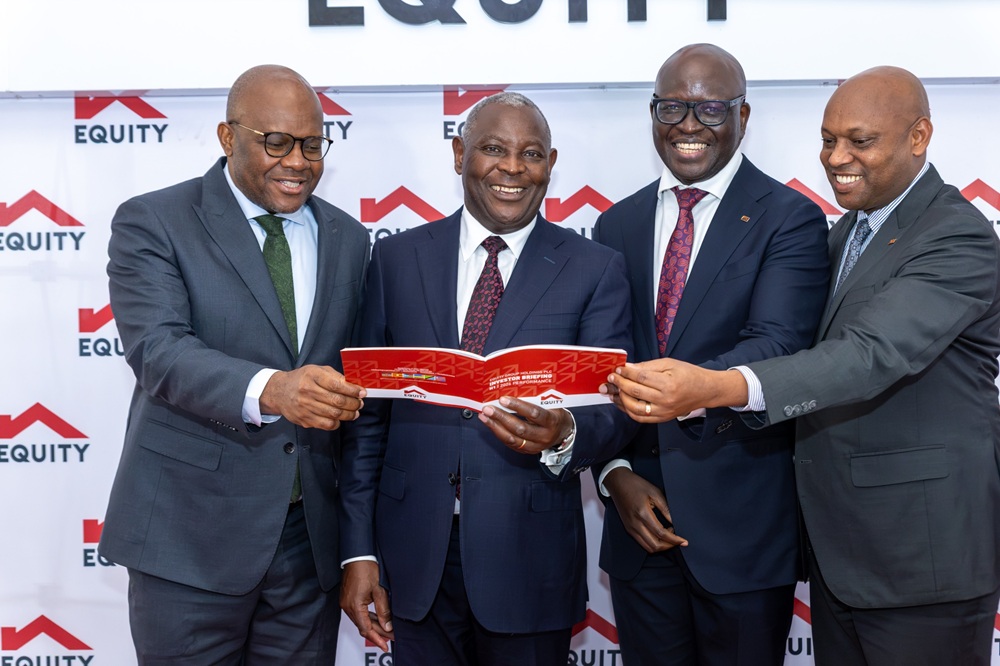
Speaking at the same event, Vusi Mpofu, Equity Group Director for Mining and Extractives, noted that the sector holds immense potential but remains largely untapped, mainly due to limited investment in value addition and refining. He reiterated Equity’s commitment to all players across the mining and extractives value chains.
Mpofu said that while mining is often cited as contributing about one percent to GDP, this figure largely reflects extraction and overlooks the broader ecosystem.
“What we’re not doing is talking about the entire value chain. Once we start looking at mining not just as extractives but as beneficiation, then we start making a real difference and uplifting the communities that ultimately own this endowment,” he said.
Drawing from Equity’s regional footprint, Mpofu pointed out that Kenya’s competitive advantage may lie in processing and manufacturing rather than large‑scale extraction.
“Kenya has the infrastructure, Kenya has the ports, Kenya has the human capital. Maybe we don’t need as many geologists as we need chemical engineers to beneficiate what comes out of the ground in neighbouring countries,” he said.
He added that success in mining is largely driven by cost control and scale, noting that producers are price takers in global markets and must therefore align production with global demand trends.
Equity Bank has positioned itself to support players across the entire mining value chain, from extraction and logistics to processing, marketing, and sales. The Bank is already active in regional markets such as the Democratic Republic of Congo, where it has built a strong presence in mining finance.
“We participate across the value chain. It is central to how we approach business, from extraction and logistics to processing and beneficiation, all the way to marketing and sales,” Mpofu explained.
Equity’s Role in Supporting Stakeholders in Mining
Mpofu also highlighted ongoing efforts to support small‑scale miners through financial inclusion, including digitizing transaction flows to build credible financial profiles and unlock access to credit, an approach already being piloted in Tanzania.
As part of its commitment to the sector, Equity is offering a range of financing and risk management solutions to investors and stakeholders, which include:
-
Asset finance – Supporting the acquisition of machinery and equipment
-
Project finance – Structured around the cash flows of specific projects
-
Insurance solutions – Covering health, general, and life risks
-
Cash management solutions – To improve liquidity and operational efficiency
-
Trade and working capital solutions – To support day‑to‑day operations and supply chains
-
Treasury and liquidity solutions – To help businesses manage financial risks such as currency and interest rate fluctuations
On financing, Equity is ready to support qualifying partners, with requirements typically including appropriate legal operating licenses and a clear demonstration of the project’s ability to service the facility, within a collaborative and long‑term partnership framework.
Abubakar Hassan Abubakar, the Principal Secretary (PS) for the State Department of Mining, said the government is keen on transforming the sector and attracting investment through targeted fiscal incentives.
These include accelerated capital allowances for exploration and heavy mining equipment; investment deductions of up to 150 percent for qualifying projects located outside major urban centres; and Special Economic Zone incentives such as reduced corporate tax rates, withholding tax exemptions, and relief from VAT and import duties on machinery and equipment.
Additional measures include customs duty exemptions, VAT relief on inputs, and provisions for special operating frameworks for large‑scale investments.
According to the PS, the ongoing reforms are aimed at strengthening policy clarity, improving the royalty framework, and promoting value addition within Kenya.
“We want the sector to be led by the private sector. This opportunity belongs to you. Kenya is safe for business, and we welcome foreign investment,” he said.